
Introduction
Spices are the soul of Indian cooking. Whether you're making dal, sabzi, chole, rajma, paneer butter masala, or biryani, the quality of spices directly influences the final taste of the dish.
Many people wonder why food prepared in traditional Indian homes often tastes richer and more aromatic than restaurant or ready-made meals. One major reason is the use of freshly ground masale.
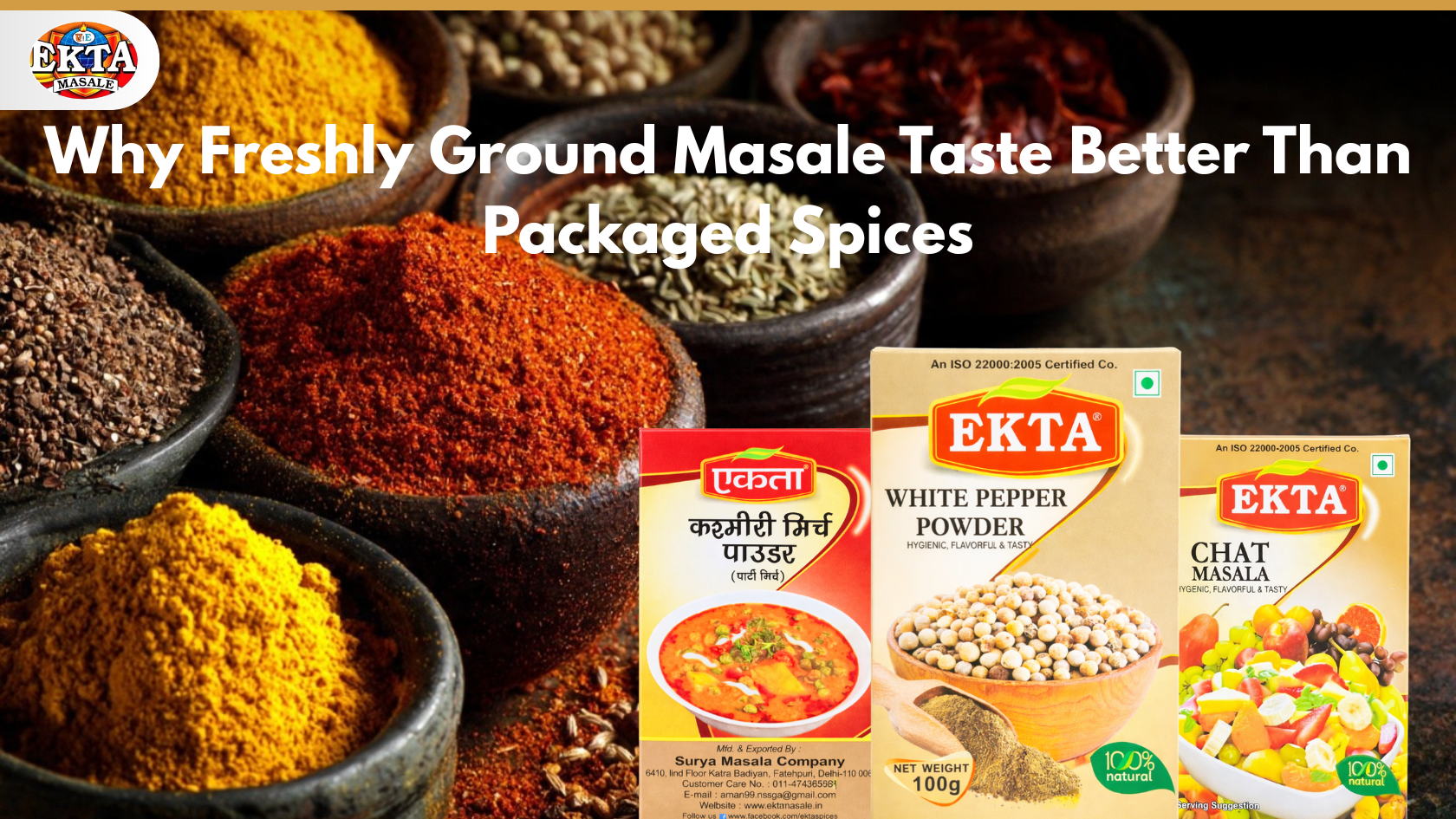
Across Delhi, more families are discovering the difference between freshly ground spices and regular packaged masalas. The growing demand for fresh masale Delhi reflects a shift toward authenticity, better flavor, and healthier cooking.
In this comprehensive guide, we'll explore why freshly ground masale taste better than packaged spices, their benefits, and how they can transform your everyday cooking experience.
Understanding the Difference Between Freshly Ground and Packaged Spices
Before comparing the two, it's important to understand what they actually are.
Freshly Ground Masale
Freshly ground spices are made by grinding whole spices shortly before use or packaging.
Examples include:
Fresh turmeric powder
Fresh coriander powder
Fresh cumin powder
Fresh garam masala
Because they are processed recently, they retain most of their natural oils and aroma.
Packaged Spices
Packaged spices are commercially processed, packed, transported, and stored for longer periods before reaching consumers.
While many packaged spices maintain good quality, they often lose some aroma and flavor over time.
Why Aroma Matters in Indian Cooking
The first thing people notice about good food is its aroma.
The smell of:
Freshly roasted cumin
Ground coriander
Garam masala
Black pepper
creates anticipation even before the food is served.
Freshly ground spices contain volatile oils responsible for this aroma.
Over time, these oils gradually evaporate.
This is why older packaged spices often smell weaker than freshly ground alternatives.
The Science Behind Freshly Ground Spices
Spices contain essential oils that carry flavor and fragrance.
When spices are ground:
These oils become exposed.
Aroma becomes more intense.
Flavor becomes stronger.
However, once ground, spices slowly begin losing these compounds through exposure to:
Air
Moisture
Heat
Light
Fresh grinding minimizes this loss, preserving maximum flavor.
10 Reasons Why Freshly Ground Masale Taste Better
1. Stronger Aroma
This is the biggest difference.
Freshly ground spices release powerful natural fragrances that instantly enhance cooking.
Examples:
✔ Fresh cumin smells earthy and warm.
✔ Fresh coriander has a bright citrus-like aroma.
✔ Fresh garam masala smells rich and complex.
Packaged spices often lose part of this aromatic intensity.
2. Richer Flavor
Fresh spices provide deeper and more authentic flavor.
Since essential oils remain intact, dishes become:
More flavorful
More balanced
More satisfying
This is especially noticeable in North Indian dishes such as:
Chole
Rajma
Butter chicken
Paneer curries
3. Better Cooking Performance
Fresh spices blend more effectively into food.
They:
✔ Dissolve better
✔ Release flavor faster
✔ Create richer gravies
As a result, recipes require less spice to achieve better taste.
4. Natural Color Retention
Freshly ground spices often have richer natural colors.
Examples:
Turmeric
Fresh turmeric provides vibrant golden color.
Chilli Powder
Fresh chilli powder offers a natural red appearance.
Coriander Powder
Fresh coriander maintains a pleasant earthy tone.
Color contributes significantly to food appeal.
5. No Artificial Enhancement Required
Fresh spices naturally provide:
✔ Aroma
✔ Flavor
✔ Color
This reduces the need for artificial flavor enhancers or excessive seasoning.
6. More Authentic Indian Taste
Traditional Indian households have used freshly ground spices for generations.
This is one reason homemade food often tastes superior.
Authentic recipes rely on:
Fresh ingredients
Proper spice blending
Natural flavors
Freshly ground masale help preserve these traditions.
7. Higher Nutritional Value
Many spices contain naturally occurring compounds that contribute to their value.
Examples include:
Turmeric
Contains curcumin.
Black Pepper
Contains piperine.
Cumin
Contains beneficial plant compounds.
Fresh grinding helps retain more of these naturally occurring components.
8. Better Control Over Flavor
When using freshly ground spices, cooks can customize flavor profiles more effectively.
For example:
More cumin for earthy notes
More coriander for mild sweetness
More black pepper for heat
This flexibility helps create personalized recipes.
9. Enhanced Street Food and Restaurant-Style Cooking
Many famous Delhi street food vendors rely on freshly ground spice blends.
Popular examples include:
Chole Bhature
Fresh chole masala provides deeper flavor.
Aloo Tikki
Fresh roasted spices improve taste significantly.
Golgappe
Freshly ground cumin and black salt create signature flavors.
Pav Bhaji
Fresh masala blends provide authentic street-food taste.
10. Improved Overall Cooking Experience
Cooking becomes more enjoyable when the kitchen fills with natural spice aromas.
Freshly ground masale create a sensory experience that packaged spices often struggle to match.
Common Problems With Old Packaged Spices
Not all packaged spices are poor quality, but long storage periods can create challenges.
Loss of Aroma
Essential oils gradually evaporate.
Reduced Flavor
Food may require larger quantities.
Weaker Color
Natural pigments fade over time.
Lower Freshness
Long storage reduces overall quality.
Benefits of Fresh Masale for Delhi Families
The demand for Fresh Masale Delhi continues growing because consumers are seeking:
✔ Better taste
✔ Authentic recipes
✔ Healthier ingredients
✔ Premium cooking experiences
Families are increasingly prioritizing freshness over convenience.
Best Freshly Ground Spices Every Kitchen Should Have
Coriander Powder
Provides depth and balance.
Cumin Powder
Adds aroma and earthy flavor.
Red Chilli Powder
Enhances heat and color.
Turmeric Powder
Essential for daily Indian cooking.
Garam Masala
Creates restaurant-style flavor.
Chaat Masala
Perfect for snacks and street-food recipes.
How to Store Freshly Ground Masale
Proper storage is important for maintaining quality.
Follow these tips:
Use Airtight Containers
Prevents aroma loss.
Avoid Sunlight
Direct sunlight damages essential oils.
Keep Away From Moisture
Moisture can cause clumping.
Use Clean Spoons
Helps preserve freshness.
Proper storage extends shelf life while maintaining flavor.
How to Identify High-Quality Fresh Masale
Look for these characteristics:
✔ Strong natural aroma
✔ Fine texture
✔ Natural color
✔ Recent packing date
✔ Trusted manufacturer
Avoid products that appear excessively bright or lack fragrance.
Why More Delhi Households Are Choosing Fresh Spices
Today's consumers are more aware of food quality than ever before.
They want:
Authentic flavors
Better ingredients
Premium cooking experiences
Health-conscious choices
This shift is driving demand for freshly processed and high-quality masalas.
Brands like Ekta Masale are becoming popular because they focus on freshness, purity, and authentic Indian flavors that enhance everyday cooking.
Freshly Ground vs Packaged Spices: Quick Comparison
| Feature | Freshly Ground Masale | Packaged Spices |
|---|---|---|
| Aroma | Excellent | Moderate |
| Flavor | Strong | Reduced over time |
| Freshness | High | Depends on storage |
| Natural Oils | Retained | Gradually lost |
| Cooking Results | Superior | Average to Good |
| Authentic Taste | Excellent | Good |
Conclusion
The difference between freshly ground masale and packaged spices goes far beyond aroma. Fresh spices deliver richer flavor, stronger fragrance, better cooking performance, and a more authentic Indian food experience.
While high-quality packaged spices remain convenient, freshly ground masalas often provide the depth and freshness that make homemade food truly memorable.
For families seeking the best cooking results, investing in fresh and premium-quality spices is one of the simplest ways to elevate everyday meals.
Whether you're preparing a simple dal or a festive feast, the right spices can transform ordinary cooking into extraordinary food.