
Introduction
Spices are the heart of Indian cooking. From turmeric and red chilli powder to coriander, cumin, and garam masala, every Indian kitchen depends on quality spices to create delicious meals.
However, as the demand for spices continues to grow in Delhi, consumers are becoming increasingly concerned about spice adulteration. Many low-quality products available in the market contain artificial colors, fillers, synthetic substances, or inferior ingredients that affect both taste and quality.
Whether you buy spices from local markets, wholesale shops, supermarkets, or online stores, understanding how to identify pure spices has become more important than ever.
If you're searching for information about Fake Spices Delhi or Spice Adulteration, this guide will help you understand common adulteration practices and how to protect yourself from purchasing low-quality products.
What is Spice Adulteration?
Spice adulteration refers to the practice of mixing unwanted or low-quality substances with spices to increase quantity, improve appearance, or reduce production costs.
This can negatively affect:
✔ Flavor
✔ Aroma
✔ Freshness
✔ Food quality
✔ Cooking performance
Unfortunately, many consumers cannot easily identify adulterated spices because they often look similar to genuine products.
Why Spice Adulteration Is Increasing in Delhi
Delhi is one of India's largest food and spice markets.
Thousands of kilograms of spices are sold daily through:
Retail stores
Wholesale markets
Online platforms
Local vendors
The huge demand creates opportunities for dishonest suppliers to compromise quality for higher profits.
As a result, consumers must become more aware of common adulteration methods.
Why Pure Spices Matter
High-quality spices provide:
✔ Better taste
✔ Stronger aroma
✔ Rich natural color
✔ Authentic cooking results
Low-quality or adulterated spices often fail to deliver the same experience.
For dishes like:
Chole
Rajma
Paneer Butter Masala
Dal Makhani
Biryani
the quality of spices directly affects the final flavor.
Most Common Spice Adulteration Problems in Delhi
Let's look at the spices most commonly affected by adulteration.
1. Turmeric Powder Adulteration
Turmeric (Haldi) is one of India's most consumed spices.
Because consumers prefer bright yellow turmeric, some suppliers use artificial substances to enhance its appearance.
Common Adulterants
Artificial yellow dyes
Excess starch
Low-grade turmeric residue
Synthetic coloring agents
Warning Signs
✔ Extremely bright yellow color
✔ Unnatural appearance
✔ Weak aroma
Pure turmeric usually has a rich golden-yellow shade and earthy fragrance.
How to Test Turmeric at Home
Water Test
Add a spoonful of turmeric powder to a glass of water.
Pure turmeric generally settles at the bottom gradually.
If excessive color immediately spreads throughout the water, it may indicate artificial coloring.
2. Red Chilli Powder Adulteration
Red chilli powder is another spice frequently targeted for adulteration.
Many consumers associate bright red color with quality, making it easier for dishonest suppliers to manipulate appearance.
Common Adulterants
Artificial colors
Brick powder
Starch
Cheap fillers
Warning Signs
✔ Extremely bright red color
✔ Weak natural aroma
✔ Excessive color release in water
Fresh chilli powder should have a strong natural smell and consistent texture.
How to Test Chilli Powder at Home
Mix a small amount in water.
Observe whether artificial color quickly separates or spreads.
Natural chilli powder generally behaves differently and maintains a more authentic appearance.
3. Coriander Powder Adulteration
Coriander powder (Dhania Powder) forms the base of many Indian recipes.
Its mild flavor makes adulteration harder to detect.
Common Adulterants
Husk
Sawdust
Low-grade fillers
Dust particles
Warning Signs
✔ Weak fragrance
✔ Uneven texture
✔ Poor cooking performance
Fresh coriander powder should have a pleasant earthy aroma.
4. Cumin Seed Adulteration
Cumin (Jeera) is widely used in Delhi households.
Because of its popularity, it can sometimes be mixed with inferior seeds.
Common Adulterants
Grass seeds
Artificially colored seeds
Low-quality substitutes
Quality Indicators
Pure cumin should have:
✔ Strong aroma
✔ Uniform color
✔ Distinct earthy smell
5. Black Pepper Adulteration
Black pepper is one of the most valuable spices in India.
Its higher price makes it a target for adulteration.
Common Adulterants
Papaya seeds
Inferior pepper residues
Identification Tips
Pure black pepper:
✔ Feels heavier
✔ Has strong aroma
✔ Produces intense flavor
6. Garam Masala Adulteration
Since garam masala contains multiple spices, quality can vary significantly.
Common Problems
Low-quality spice mixtures
Excess fillers
Reduced aromatic ingredients
Warning Signs
✔ Weak smell
✔ Dull color
✔ Poor flavor
Good garam masala should release a rich aroma immediately after opening the pack.
Why Consumers Often Buy Fake Spices Without Realizing It
Several factors contribute to this issue.
Attractive Packaging
Poor-quality products often imitate premium brands.
Low Prices
Consumers may choose cheaper options without checking quality.
Lack of Awareness
Many people don't know how genuine spices should look or smell.
Similar Appearance
Adulterated spices can look very similar to authentic products.
10 Ways to Avoid Spice Adulteration
1. Buy From Trusted Brands
Always choose manufacturers with a reputation for quality and consistency.
2. Check Packaging Quality
Quality packaging helps protect spices from contamination and moisture.
3. Read Ingredient Labels
Pure spices should have simple ingredient lists.
Avoid unnecessary additives.
4. Smell Before Buying
Fresh spices should have a strong and natural aroma.
Weak fragrance often indicates old or poor-quality stock.
5. Avoid Extremely Cheap Products
If the price seems too low compared to market standards, investigate further.
6. Check Manufacturing Dates
Fresh spices provide:
✔ Better flavor
✔ Better aroma
✔ Better cooking performance
7. Purchase From Reliable Stores
Whether online or offline, buy from trusted sellers.
8. Observe Color Carefully
Natural colors usually look balanced.
Overly bright shades can be a warning sign.
9. Perform Simple Home Tests
Basic checks can help identify suspicious products before regular use.
10. Choose Freshly Packed Masalas
Fresh spices retain more natural oils and flavor compounds.
How Fresh Spices Reduce Adulteration Risks
Freshly processed spices often offer:
✔ Better aroma
✔ Stronger flavor
✔ Natural color
✔ Improved cooking results
This is one reason many Delhi consumers prefer premium-quality spice brands.
Impact of Adulterated Spices on Cooking
Even if adulterated spices don't immediately appear different, they can significantly affect recipes.
Common problems include:
Weak flavor
Reduced aroma
Poor color
Inconsistent results
This becomes particularly noticeable in dishes like:
Chole
Rajma
Paneer curries
Dal
Biryani
Why Delhi Families Are Choosing Premium Masalas
Modern consumers are increasingly focused on:
✔ Purity
✔ Freshness
✔ Transparency
✔ Authentic flavor
As awareness grows, families are moving away from low-cost products and choosing trusted brands.
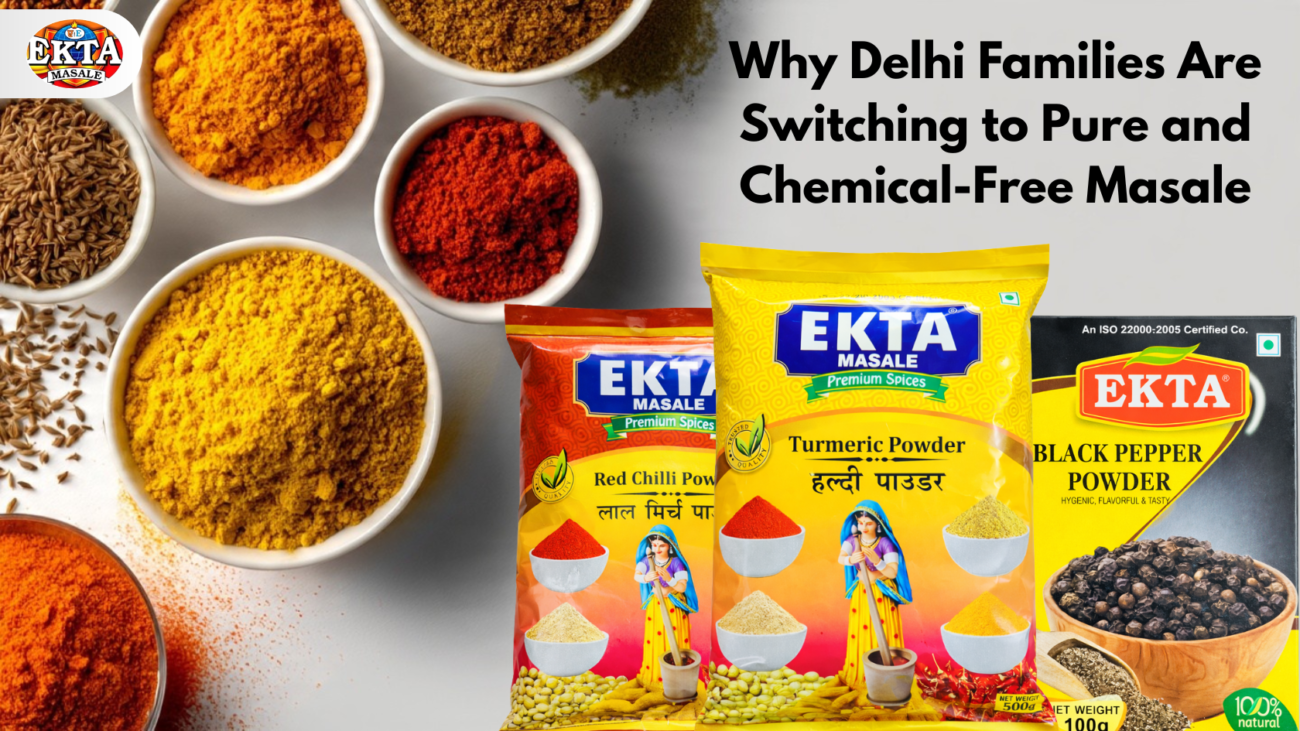
Brands like Ekta Masale emphasize quality sourcing, hygienic processing, and fresh packaging, helping consumers enjoy authentic Indian flavors with confidence.
Future of Spice Quality in Delhi
The demand for pure spices is expected to grow significantly in the coming years.
Consumers increasingly prefer:
Clean-label products
Fresh ingredients
Better transparency
Premium quality
This shift is encouraging manufacturers to improve quality standards across the spice industry.
Conclusion
Spice adulteration remains one of the biggest concerns for consumers in Delhi. Understanding common adulteration practices can help you make informed purchasing decisions and protect your family's cooking quality.
The best way to avoid fake spices is to focus on:
✔ Freshness
✔ Aroma
✔ Proper packaging
✔ Trusted brands
✔ Ingredient transparency
By choosing high-quality masalas, you can enjoy better-tasting food, authentic flavors, and a superior cooking experience every day.